

Written by Tonya Jordan, LPC
Licensed Professional Counselor in Georgia (LPC007521)
Founder, Live Life Now!, LLC
13+ years of clinical experience treating anxiety, depression, and relationship concerns
Professional Profiles & Verifications
Tonya Jordan maintains verified professional profiles on trusted healthcare platforms, including Psychology Today and Grow Therapy, where clients can learn more about her credentials, specialties, and patient experiences. In addition to these platforms, Tonya Jordan is also listed on other recognized therapy directories such as Finding Help Now, Maker Therapy, Mind-Diagnostics, and Quick Counseling further expanding her verified professional presence across the mental-health community.
Anxiety has a way of making everyday life feel exhausting. Racing thoughts. Tightness in your chest. Trouble sleeping. Constant worry that something bad is about to happen.
Many of the clients I work with tell me:
“I know my fears don’t make sense… so why do they still feel so real?”
My name is Tonya Jordan, LPC, and for more than thirteen years I’ve helped people across Georgia work through anxiety, emotional overload, and the patterns that keep them feeling stuck. In this article, I want to share clearly and honestly how Cognitive Behavioral Therapy (CBT) works for anxiety and what it can look like inside real therapy sessions.

What Is Cognitive Behavioral Therapy?
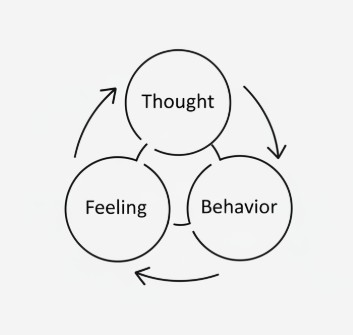
CBT is an evidence-based form of therapy that focuses on the relationship between:
• thoughts
• emotions
• physical sensations
• behaviors
When anxiety takes hold, these areas begin feeding into each other.
A fearful thought creates tension in the body.
That tension leads to avoidance or reassurance-seeking.
Avoidance reinforces the belief that something is wrong.
CBT slows that loop down so we can examine what your mind is telling you and decide whether those messages are actually true.
Why Anxiety Can Feel So Overwhelming
In my clinical experience, anxiety almost always has a story behind it. It can grow from:
• long-term stress
• childhood environments
• trauma
• perfectionism
• people-pleasing
• unpredictable life events
Your brain originally developed anxiety to protect you.
I often tell clients:
“Your anxiety isn’t broken. It learned a job. Now we’re teaching it a healthier one.”
How I Use CBT in My Therapy Practice
I don’t believe in one-size-fits-all treatment. Every client arrives with a different history, nervous system, and set of goals.
When we start CBT work, we usually explore:
• what triggers anxiety
• what thoughts show up automatically
• how your body reacts
• what behaviors follow
Once we see the pattern clearly, change becomes possible.
Identifying Unhelpful Thinking Patterns
Together, we gently uncover habits such as:
• catastrophizing
• black-and-white thinking
• assuming the worst
• harsh self-talk
• constant “what if” scenarios
We don’t fight these thoughts we study them.
Learning How to Respond Instead of React
CBT helps you pause and ask:
• Is this thought a fact or a prediction?
• What evidence supports it?
• What would I tell someone I care about?
• Is there another explanation?
With practice, the nervous system begins to calm because the brain is no longer running unchecked.

Practicing Skills Between Sessions
Therapy works best when skills are used in daily life.
I often assign tools such as:
• grounding exercises
• breathing techniques
• thought records
• boundary-setting language
• behavioral experiments
• communication practice
Small steps repeated over time are what lead to lasting relief.
Why CBT Is So Effective for Anxiety
Research consistently supports CBT for anxiety disorders, and in my practice I regularly see people experience:
• reduced panic symptoms
• better sleep
• less avoidance
• improved confidence
• steadier moods
• stronger coping skills
Most importantly, clients tell me they feel more in control of their lives again.
What Your First Session With Me Is Like
It’s very common to feel nervous before your first therapy appointment.
During our first session, I’ll invite you to talk about what brought you in. I’ll ask questions to understand your story, your stressors, and what you want to change.
We usually discuss:
• your background
• current challenges
• emotional symptoms
• relationships
• past therapy experiences
• goals for treatment
By the end of that first meeting, you’ll have a clear sense of direction for our work together.
Who I’m Best Positioned to Help
I often work with adults who are motivated for change even if they’re unsure where to begin.
That includes people dealing with:
• chronic anxiety
• panic attacks
• low self-esteem
• depression
• relationship strain
• emotional burnout
• trauma histories
Therapy isn’t about perfection. It’s about showing up honestly.
Why Working With a Licensed Therapist Matters
Mental health care deserves professional training and accountability.
I’m licensed in Georgia under LPC007521 and hold a Master’s degree in Rehabilitation Counseling. My approach blends Cognitive Behavioral Therapy, Cognitive Processing Therapy, Person-Centered Therapy, and Solution-Focused Brief Therapy.
Thinking About Starting Therapy?
If anxiety has been running your life, you don’t have to face it alone.
Getting support can help you breathe easier, think more clearly, and reconnect with the parts of life you’ve been missing.
Ready to Take the First Step?
Schedule a virtual appointment with Tonya Jordan, LPC at Live Life Now!, LLC.
 Email: workabilityservices@gmail.com
 Visit: livelifenowtherapy.com
 Serving clients across Georgia through online therapy.