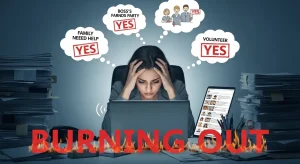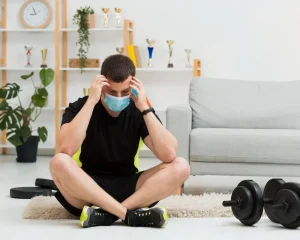

Anxiety is a natural response to stress, but when it becomes chronic or overwhelming, it can interfere with daily life. Whether you feel nervous about an upcoming event or experience constant worry about the future, anxiety can affect your thoughts, emotions, and even your physical health.
In this guide, we’ll explain what anxiety is, the common symptoms and causes, and what steps you can take to begin managing it. Understanding anxiety is the first step toward regaining control and finding relief.
What Is Anxiety?
Anxiety is the body’s natural response to stress. It can manifest as feelings of fear, nervousness, or unease in anticipation of a situation or event. While anxiety is a normal reaction in certain situations (like before a big presentation or during a stressful life event), it becomes a problem when it is persistent, overwhelming, or disproportionate to the situation at hand.
There are different types of anxiety, each with its own set of symptoms, but the underlying theme is the same: anxiety involves a feeling of nervousness or fear that’s difficult to control.
Anxiety can cause a range of emotional, mental, and physical symptoms that affect your overall well-being.
Common Symptoms of Anxiety
Anxiety doesn’t just affect your mind; it also has physical effects on your body. Here are some of the common symptoms of anxiety:
Mental Symptoms
- Excessive worry about future events or the unknown
- Constant overthinking or overanalyzing situations
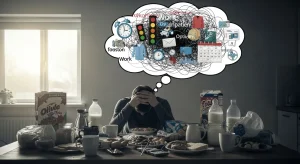
- Racing thoughts or a sense of your mind being “too busy”
- Difficulty concentrating or focusing
- Intrusive thoughts that seem difficult to control
Emotional Symptoms
- Nervousness or a sense of dread about everyday situations
- Irritability or feeling easily frustrated
- Restlessness or feeling on edge
- Apprehension or fear about things going wrong
- Panic attacks (in some cases), where you may experience overwhelming fear and physical symptoms like shortness of breath, dizziness, or chest pain
Physical Symptoms
- Rapid heartbeat or palpitations
- Sweating, especially during stressful moments
- Muscle tension, headaches, or digestive issues
- Shortness of breath or tightness in the chest
- Fatigue or feeling drained even after sleep
If you recognize any of these symptoms, it’s important to understand that anxiety is treatable. Therapy and lifestyle changes can help manage these symptoms and improve your quality of life.
What Causes Anxiety?
Anxiety can be triggered by a variety of factors, both external and internal. While the exact cause of anxiety varies from person to person, common factors include:
Stressful Life Events
- Work pressure, deadlines, and job insecurity
- Family problems or relationship stress
- Health concerns, either for yourself or a loved one
- Major life changes, such as moving, starting a new job, or losing a loved one
Genetics & Family History
- Anxiety can run in families. If your parents or siblings have had anxiety or other mental health conditions, you may be more likely to experience anxiety yourself.
Brain Chemistry
- Neurotransmitters, which are chemicals that transmit signals in the brain, play a role in regulating mood and emotions. Imbalances in certain neurotransmitters can contribute to the development of anxiety.
Personality Factors
- People with certain personality traits (like those who are more introverted or sensitive) may be more prone to anxiety.
- Chronic worry, a tendency to overthink or catastrophize situations, is often linked to generalized anxiety disorder (GAD).
Health Conditions
- Some physical health conditions, such as heart disease, thyroid disorders, or chronic illnesses, can lead to anxiety-like symptoms. In these cases, treating the underlying condition can help alleviate anxiety symptoms.
How to Manage Anxiety: First Steps
If you’re struggling with anxiety, it’s important to take steps to manage and reduce your symptoms. Here are some first steps to consider:
1. Learn to Recognize Anxiety Triggers
Understanding what triggers your anxiety is the first step toward managing it. Keep track of situations that make you feel anxious, and start to recognize patterns. You might notice that certain environments, people, or situations consistently cause you to feel anxious.
2. Practice Relaxation Techniques
Relaxation exercises can help reduce the physical symptoms of anxiety and calm your mind. Techniques such as deep breathing, progressive muscle relaxation (PMR), and guided meditation can help you regain control during moments of anxiety.
3. Develop Healthy Coping Mechanisms
Instead of relying on avoidance or unhealthy coping mechanisms (like excessive alcohol or overworking), try healthier alternatives. Physical activity, mindfulness, or journaling can help manage anxious thoughts and emotional overwhelm.
4. Seek Support
Talking to a therapist or counselor can be incredibly helpful for managing anxiety. Cognitive Behavioral Therapy (CBT) is especially effective for treating anxiety because it helps you identify and challenge negative thought patterns. Therapy provides a safe, structured environment to explore the root causes of your anxiety and develop effective coping strategies.
5. Consider Medication (If Needed)
In some cases, medication may be prescribed to help manage anxiety symptoms. Selective serotonin reuptake inhibitors (SSRIs) or benzodiazepines can help regulate mood and reduce anxiety, but these are typically used in conjunction with therapy for long-term results.
6. Adopt a Healthy Lifestyle
A balanced lifestyle can help reduce anxiety. Make sure you’re:
- Getting enough sleep (7-9 hours per night)
- Eating a healthy diet
- Engaging in regular exercise
- Managing your stress through relaxation techniques
What Helps with Anxiety?
Anxiety is manageable, and there are several ways to effectively reduce anxiety over time:
Cognitive Behavioral Therapy (CBT)
CBT is a structured, evidence-based therapy that helps you recognize and change negative thinking patterns that fuel anxiety. By focusing on changing thoughts and behaviors, CBT helps you gain control over anxiety.
Mindfulness & Meditation
Mindfulness involves staying present in the moment without judgment. Practices like mindful breathing, guided imagery, or body scans help reduce mental clutter and keep you grounded when anxiety strikes.
Exposure Therapy
For anxiety related to specific phobias or situations, exposure therapy can help. This therapy gradually exposes you to anxiety-inducing situations in a controlled environment, allowing you to build tolerance and reduce fear over time.
Lifestyle Changes
Adopting a healthy lifestyle — including better sleep habits, regular physical activity, and stress management practices — can significantly reduce anxiety over the long term. Mind-body exercises like yoga and tai chi also help lower anxiety levels.
Medication
In some cases, medication can help relieve anxiety symptoms. Anti-anxiety medications like benzodiazepines or antidepressants (SSRIs or SNRIs) may be prescribed by your doctor to help regulate mood.
How to Get Started with Anxiety Therapy
If you’re ready to take control of your anxiety, therapy is one of the most effective tools available. Here’s how to begin:
What the First Session Looks Like
- We’ll discuss your anxiety symptoms, triggers, and goals for therapy.
- Together, we’ll identify patterns of thought and behavior that contribute to your anxiety.
- You’ll leave with actionable tools, like breathing exercises or thought reframing, that you can start using immediately.
How to Book a Session
Booking a session is easy! You can schedule online or contact us with any questions. We’re here to help you understand your anxiety and find the right treatment plan for you.
Ready to Learn About Anxiety & Start Your Journey to Healing?
You don’t have to let anxiety control your life. Understanding anxiety is the first step in overcoming it. Therapy, lifestyle changes, and mindfulness practices can help you regain control, reduce overwhelm, and restore mental clarity.
Take the first step toward managing your anxiety today.
Learn to live with more peace, less worry, and greater confidence.
We’re here to guide you through it.
Book a session today and start taking control of your anxiety.