Many people think being helpful, agreeable, or easy-going is a strength.
And in many ways, it is.
But when “being nice” turns into constantly saying yes—even when you want to say no—it becomes something else:
people-pleasing
And over time, it can seriously impact mental health.
1. What Is People-Pleasing?
People-pleasing is a behavioral pattern where you:
- prioritize others’ needs over your own
- avoid conflict at all costs
- seek approval through compliance
- struggle to say no
It often looks like kindness on the surface.
But internally, it comes from anxiety—not choice.
2. The Hidden Emotion Behind It: Anxiety
At its core, people-pleasing is driven by fear:
- fear of rejection
- fear of conflict
- fear of disappointing others
- fear of being disliked
So instead of asking:
“Do I want to do this?”
The brain asks:
“What will happen if I say no?”
3. Why It Becomes a Habit
People-pleasing often develops early in life:
- being rewarded for being “good”
- receiving attention only when helpful
- avoiding punishment through compliance
- unstable emotional environments
Over time, your brain learns:
“Safety = keeping others happy”
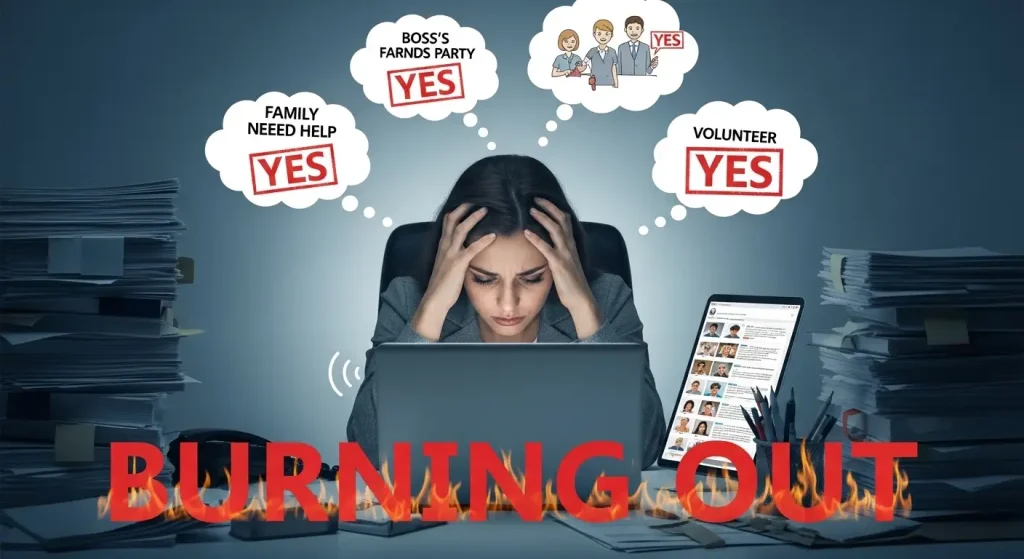
4. The Emotional Cost of Always Saying Yes
At first, it feels manageable.
But over time, it leads to:
- resentment
- exhaustion
- emotional burnout
- loss of identity
- anxiety spikes
Because every “yes” that should have been a “no” drains emotional energy.
5. The Approval Cycle
People-pleasing creates a loop:
- You say yes to avoid discomfort
- You feel temporary relief
- You feel drained or resentful later
- You promise to set boundaries next time
- The cycle repeats
This cycle slowly increases anxiety.
6. Why Saying “No” Feels Dangerous
For people-pleasers, “no” feels like:
- rejection
- conflict
- emotional risk
Even when logically nothing bad happens, the body reacts as if danger is present.
This is because the nervous system associates:
disagreement = unsafe
7. How It Affects Relationships
People-pleasing can lead to:
- one-sided relationships
- emotional imbalance
- lack of authenticity
- unspoken resentment
- burnout in friendships or partnerships
Because relationships become based on performance, not honesty.
8. Losing Your Own Identity
A long-term effect of people-pleasing is:
- not knowing your preferences
- difficulty making choices
- confusion about identity
- feeling disconnected from yourself
Because over time:
your needs take a back seat
9. How to Start Breaking the Pattern
1. Pause before answering
Instead of automatic “yes,” say:
- “Let me think about it”
2. Practice small no’s
Start with low-risk situations:
- small requests
- minor commitments
3. Tolerate discomfort
Saying no may feel uncomfortable—but discomfort is not danger.
4. Reframe guilt
Guilt doesn’t always mean wrongdoing—it often means change.
10. Rebuilding Healthy Boundaries
Healthy boundaries look like:
- saying yes intentionally
- saying no without over-explaining
- respecting your own limits
- choosing relationships that allow honesty
Boundaries don’t push people away—they filter the right ones in.
Final Thought
People-pleasing is not about kindness—it’s about anxiety trying to maintain safety through approval.
But real emotional health comes from something deeper:
the ability to be kind without abandoning yourself
And once you learn that balance, relationships become more honest, lighter, and emotionally sustainable.