Anxiety is a mental health condition, but it lives in the body. Anyone who has experienced a wave of anxiety knows this firsthand. The racing heart, the shallow breathing, the muscle tension, the feeling of being physically braced for something that is not actually coming. This is not all in your head. It is happening in your nervous system, your gut, your muscles, and your sleep cycles. Which is why anxiety management has to include what you do with your body, not just your mind.
The Brain-Body Connection in Anxiety
Anxiety triggers the stress response, also called the fight-or-flight response, which is controlled by the autonomic nervous system. When this system activates, cortisol and adrenaline flood the body. Heart rate increases, digestion slows, muscles tighten, and the brain shifts into threat-detection mode. This is a survival mechanism that works well in genuinely dangerous situations. The problem with anxiety disorders is that this system activates without a real threat, or in response to stressors that are not proportional to the physiological reaction they produce.
Physical health practices directly influence how reactive this system is. Sleep, diet, and exercise all affect cortisol levels, neurotransmitter production, and the nervous system’s overall capacity to regulate itself. Ignoring these factors while trying to manage anxiety is like trying to fix a software problem without looking at the hardware.
Exercise & Anxiety: What the Research Shows
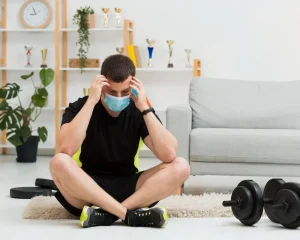
Regular exercise is one of the most consistently supported interventions for anxiety, and the effects are not subtle. Exercise reduces baseline levels of stress hormones in the body, particularly cortisol. It triggers the release of endorphins, which are the brain’s natural mood stabilizers. It also increases the availability of serotonin and norepinephrine, which play a direct role in mood regulation.
Beyond neurochemistry, exercise trains the body to recover from elevated heart rate and muscle tension more efficiently. When you exercise regularly, your nervous system becomes more practiced at ramping up and then coming back down. Over time, this makes it harder for anxiety to maintain its grip.
How Much & What Kind
Research suggests that moderate aerobic exercise, activities like brisk walking, cycling, swimming, or jogging, carried out for about 30 minutes most days of the week, produces measurable reductions in anxiety symptoms. Strength training also shows benefits, though aerobic exercise tends to have a stronger immediate effect on mood.
The key is consistency. A single workout can produce a noticeable drop in anxiety for hours afterward, but the long-term benefits come from making it a regular part of your routine, not something you do when you remember to.
Diet, the Gut, & Anxiety
The gut-brain connection is one of the most active areas of research in mental health right now. The gut produces a significant portion of the body’s serotonin, and the gut microbiome communicates directly with the brain via the vagus nerve. This means what you eat has a direct bearing on how your brain manages stress and emotion.
Diets high in sugar and processed foods promote inflammation, which has been linked to higher rates of anxiety and depression. Blood sugar swings, which are common with inconsistent eating or high sugar intake, can trigger symptoms that closely mimic anxiety: shakiness, heart palpitations, irritability, and difficulty concentrating.
Foods That Support Anxiety Management
Certain foods support the production of neurotransmitters involved in mood regulation. Magnesium, found in leafy greens, nuts, and seeds, plays a role in regulating the nervous system’s response to stress. Omega-3 fatty acids, found in fatty fish, walnuts, and flaxseed, have demonstrated anti-inflammatory effects that benefit brain function. Fermented foods like yogurt, kefir, and kimchi support gut microbiome health, which in turn influences mood.
Caffeine is worth a specific mention. For people with anxiety, caffeine can act as a direct amplifier of symptoms. It increases heart rate, disrupts sleep, and raises cortisol levels. Reducing caffeine intake is often one of the most immediate steps a person can take to lower their baseline anxiety.
Sleep & Anxiety: A Two-Way Relationship
Sleep and anxiety are deeply connected, and the relationship runs in both directions. Anxiety makes it harder to sleep, and poor sleep makes anxiety worse. This cycle can be self-reinforcing and is one of the more frustrating parts of living with anxiety.
During sleep, the brain processes emotional memories, regulates cortisol levels, and consolidates learning. When sleep is cut short or fragmented, the brain’s emotional regulation systems are compromised. The amygdala, the brain’s threat-detection center, becomes more reactive. Everyday stressors that would be manageable after a full night’s sleep can feel overwhelming after a poor one.
Practical Steps for Better Sleep
Sleep hygiene, the habits and environment that support quality sleep, is a foundational piece of anxiety management. Consistent sleep and wake times help regulate the body’s internal clock. A wind-down routine in the hour before bed signals to the nervous system that it is safe to relax. Limiting screen exposure in the evening reduces stimulation and supports melatonin production. Keeping the bedroom cool and dark creates the conditions the brain needs to move into deep, restorative sleep.
Some people find that anxiety itself makes the wind-down process difficult. Racing thoughts, restlessness, and difficulty transitioning out of alert mode are common. This is where breathing exercises, progressive muscle relaxation, or mindfulness practices can bridge the gap between daytime stress and sleep.
Pulling It All Together
Managing anxiety effectively almost always requires attention to both the psychological and the physical. Therapy, skill-building, and cognitive work address the mental patterns. Exercise, diet, and sleep address the biological conditions that either fuel or dampen anxiety responses. These are not competing approaches. They work together, and most people see the best results when they attend to both.
If anxiety has been making daily life harder, looking at physical health habits is not a detour from the real work. It is part of it.