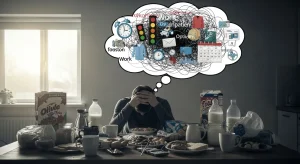

Depression isn’t just feeling sad. It’s a condition that affects how your brain functions, how you experience the world, & how you move through each day.
What Depression Actually Is
Sadness passes. Depression lingers. You can feel sad about something specific & bounce back. Depression settles in without a clear cause or stays long after the cause has resolved.
The condition shows up as numbness more often than sadness. You look at things that used to matter & feel nothing. Activities that bring joy become chores. People you care about feel distant. The emotional flatness persists day after day.
Physical symptoms accompany the mental ones. Sleep changes: too much or too little. Appetite shifts: eating constantly or not at all. Energy drains away. Getting out of bed requires conscious decision-making. Moving through basic tasks exhausts you.
Thoughts turn negative & repetitive. Your mind fixates on failures, shortcomings, & bleak futures. These thoughts feel true even when evidence suggests otherwise. The mental loop is hard to escape.
This isn’t a weakness. It’s brain chemistry. Depression involves changes in neurotransmitters, particularly serotonin, dopamine, & norepinephrine. These chemical shifts affect mood, motivation, & energy levels.
Why Standard Advice Fails
People mean well when they suggest “just think positive” or “just get out more.” But depression doesn’t respond to willpower alone. If it did, you would have fixed it already.
The condition affects the very systems you need to fight it. Depression reduces motivation, so “just do things” feels impossible. It clouds thinking, so “just change your perspective” doesn’t work. It drains energy, so “just exercise” seems insurmountable.
You need strategies that work with how your brain functions during depression, not approaches designed for brains functioning normally.
How Therapy Helps
Depression therapy starts with explaining what’s happening in your brain. When you grasp the biological basis, self-blame decreases. This is a condition, not a character flaw.
Then practical strategies get built. Behavioral activation gets you moving before motivation returns. Small, manageable activities can shift your state. Action creates momentum. Momentum builds motivation.
Thought restructuring helps identify patterns in thinking. Depression creates cognitive distortions: all-or-nothing thinking, overgeneralization, mental filtering. You learn to recognize these patterns & test them against reality.
Problem-solving skills address practical issues depression creates. When you’re depressed, manageable problems become overwhelming. Breaking them into steps helps. Identifying what you can control helps. Building plans that account for current capacity helps.
Energy management recognizes that depression drains resources. Mapping what depletes you & what restores you matters. Creating frameworks for protecting energy while engaging with life matters.
Social connection strategies counter isolation. Depression tells you to withdraw. Maintaining connection in manageable doses helps. Sometimes that’s a text instead of a call. Sometimes it’s 15 minutes with someone instead of hours.
What Makes Treatment Work
Progress happens through consistent application of skills. Learning techniques in session matters. Practicing them between sessions matters. Tracking what works for you specifically matters.
Most people see shifts within 8-12 sessions. Early changes might be subtle: slightly better sleep, a bit more energy, one good hour in a day. These small improvements compound over time.
Treatment also addresses context. For some people, depression links to unresolved trauma. For others, it connects to relationship issues, work stress, or major life transitions. Working on the depression itself & the factors maintaining it produces better outcomes.
Moving Forward
Depression responds to treatment. The condition that feels permanent isn’t. Most people who engage with therapy see improvement.
You don’t have to figure this out alone. Frameworks exist. Skills are teachable. Support is available.
The first step is reaching out. From there, assessment happens & treatment plans get built.